CASE
PORT OF HELSINKI
Port of Helsinki's reporting capabilities were renewed with the help of Microsoft Fabric
TRANSPORT
The Port of Helsinki wanted to modernize its data and reporting environment to meet increasing needs and reduce high licensing costs. Knowit implemented a rapid transition to Microsoft Fabric data platform and built a data model that corresponds to the business. The new solution provides the Port of Helsinki with a cost-effective and scalable foundation for developing its reporting.
CHALLENGE
The reporting environment needed to be modernized to meet business needs
The Port of Helsinki is committed to developing its operations to meet future needs. The development program will require increased investments, which in turn will demand greater visibility of operations. Accurate and up-to-date information on areas such as the economy, shipping traffic, and passenger numbers is needed to support decision-making. The Port of Helsinki wants to utilize modern technologies and new tools to strengthen its position as a pioneer and ensure that decision-making is always based on up-to-date data.
The previous data and reporting environment did not allow for sufficient expansion of reporting. The lack of a unified data model, outdated technologies, and high licensing costs challenged the improvement of reporting. The Port of Helsinki needed an analytics environment that would meet the growing needs of its business and enable scalability for future reporting needs.
The new data platform was to be built on Microsoft Fabric analytics environment, as it would enable cost-effective scalability for broader reporting needs. Knowit was selected as the partner for the renewal based on its recognized Fabric expertise and insightful business understanding.
RESULTS
A rapid transition to Microsoft Fabric
The Port of Helsinki data was centralized on the Microsoft Fabric platform, and reporting was successfully rebuilt in less than four months. The platform combines data collection, modeling, and reporting into a seamless whole, reducing maintenance complexity and enabling the scalability required for future development plans.
A key part of the implementation was the business concept modeling carried out by Knowit's experts. Based on this, a data model was built that directly reflects the port's operations and structures. By matching the data to the business, reporting is understandable and easy to expand. New reporting entities can be added quickly and in a controlled manner, and it is easier for new experts to familiarize themselves with the entity. This reduces dependence on individual experts and makes reporting genuinely supportive of business operations.
Close cooperation with the customer was a central element of the project, and Knowit ensured that expertise was transferred to the customer's organization as the project progressed. This transition laid the foundation for long-term development and strengthening the data driven culture.
SOLUTION

Cost savings and a modern foundation for future development
The Port of Helsinki now has a business-oriented, easily scalable data and reporting environment that can be easily expanded to meet new reporting needs. The solution supports the port's strategic goals and also lays the foundation for future development areas.
With a data model that matches the business, the new platform will serve as a scalable foundation for reporting far into the future. The data model ensures consistent and coherent data flow, making it faster and easier to implement new reports – whether for financial monitoring, personnel reporting, or traffic volumes.
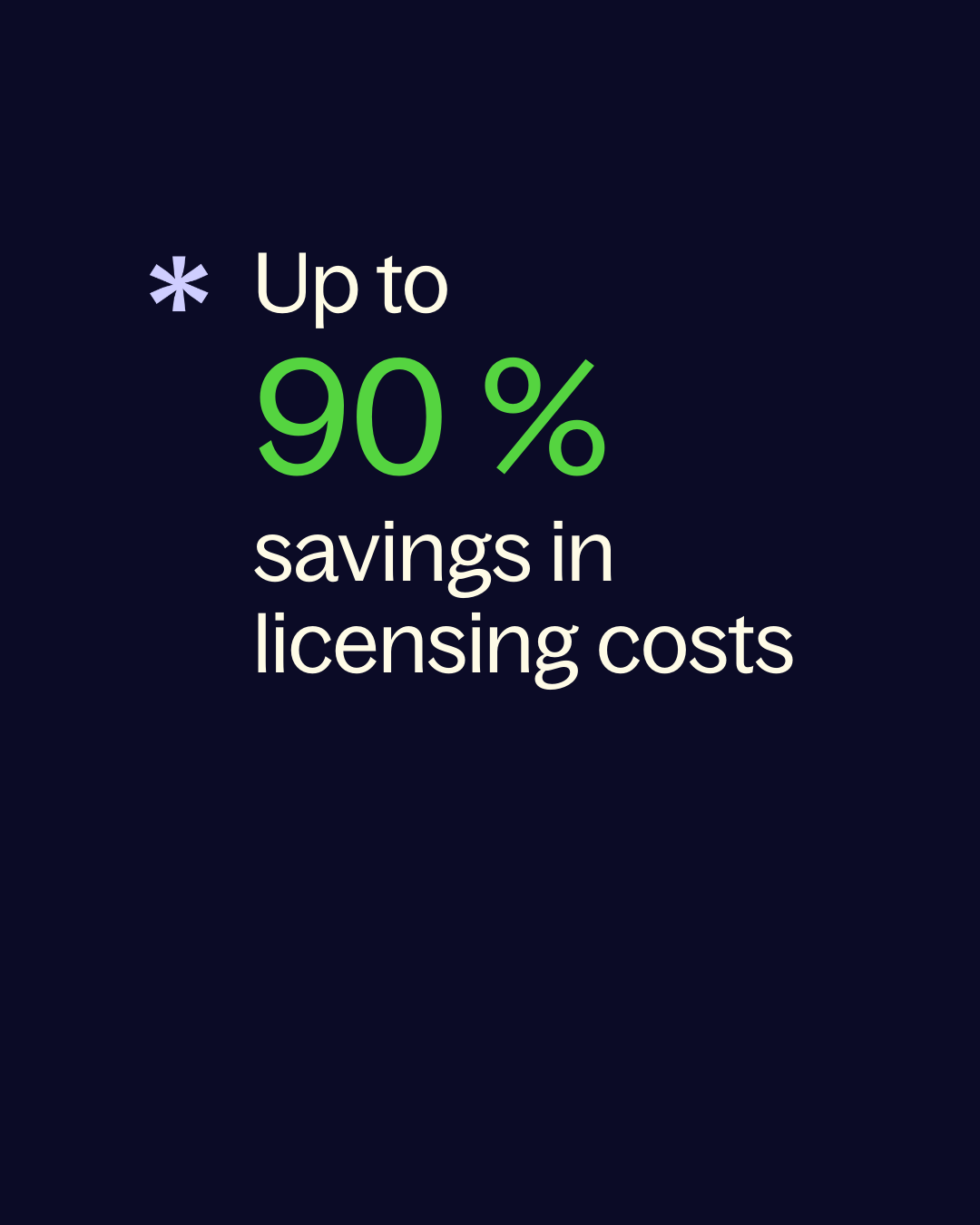
The renewal brought immediate benefits right from the start, with license costs falling by up to 90% on an annual basis. The transition also ensures continuity in reporting, as modern technology is easier to maintain, and the availability of experts is guaranteed in the future. Close collaboration between Knowit and the Port of Helsinki continues as new reporting entities are added to the data platform.
We particularly appreciated the fact that Knowit did not only look at the solution from a technological perspective but also understood the structures of our business. Their strong Fabric expertise and conceptual modeling were especially valuable to us — thanks to this, the reporting reflects the Port's operations and can be easily expanded to meet new needs. The project was completed on an exceptionally tight schedule and within the agreed budget, and the end result supports our business with tangible benefits.
Eero Gröndahl, Project Manager
Port of Helsinki
Benefits for the customer
Cost efficiency
- The new platform reduced licensing costs by tens of thousands of euros annually, resulting in immediate savings from the moment it was implemented.
- Maintenance is now simpler, and costs are easier to manage.
Flexibility and scalability
- The business-aligned data model enables fast and controlled expansion into new reporting needs.
- Fabric’s scalability supports effortless growth of reporting capabilities.
Continuity
- The solution paves way for further development of reporting.
- Modern technology ensures availability of expertise and strengthens long-term reporting continuity.
Up to 90% savings in licensing costs
The platform brings annual savings of tens of thousands of euros.

Port of Helsinki
The Port of Helsinki is one of Europe's busiest passenger ports and Finland's leading general port for international freight traffic. An important goal of the Port of Helsinki's responsible operations is to be a pioneer in sustainable port operations.
Do you want to know how we can assist you?
Give us a call or send a message, and we will get in touch with you.

Jussi Siuro
Sales